Struggling with persistent breakouts or facial redness? Our board-certified dermatologists provide personalized treatment plans to help you achieve clear, healthy, confident skin.
Schedule Your Consultation🎬 Video: Acne & Rosacea Treatment Options at Paradise Medical Center
YouTube video will be embedded here
Acne is the most common skin condition in the United States, affecting approximately 50 million Americans annually. While often associated with teenagers, adult acne is increasingly common, particularly among women in their 30s, 40s, and beyond. At Paradise Medical Center in Miami, our board-certified dermatologists specialize in treating all forms and severities of acne, from occasional breakouts to severe cystic acne.
Acne occurs when hair follicles become clogged with oil (sebum) and dead skin cells, creating an environment where bacteria can thrive. This leads to inflammation, resulting in the various types of acne lesions we see: blackheads, whiteheads, papules, pustules, nodules, and cysts. The causes of acne are multifactorial, including genetics, hormones, stress, diet, and environmental factors.
Effective acne treatment requires a comprehensive approach that addresses the underlying causes while treating existing lesions. Our dermatologists begin with a thorough evaluation of your skin, medical history, and lifestyle factors to develop a personalized treatment plan. We consider factors such as acne severity, scarring risk, previous treatments, and your specific goals when recommending treatment options.
Miami's humid, tropical climate can exacerbate acne for many people. Sweat, sunscreen, and environmental pollutants can clog pores, making proper skincare and professional treatment especially important for South Florida residents. Our dermatologists understand these local factors and incorporate them into your treatment plan.
While acne and rosacea can both cause facial redness and bumps, they are distinct conditions requiring different treatment approaches. Understanding the difference is crucial for effective management.
A condition affecting hair follicles and oil glands, primarily caused by clogged pores, bacteria, and inflammation.
A chronic inflammatory condition primarily affecting the central face, characterized by flushing, redness, and skin sensitivity.
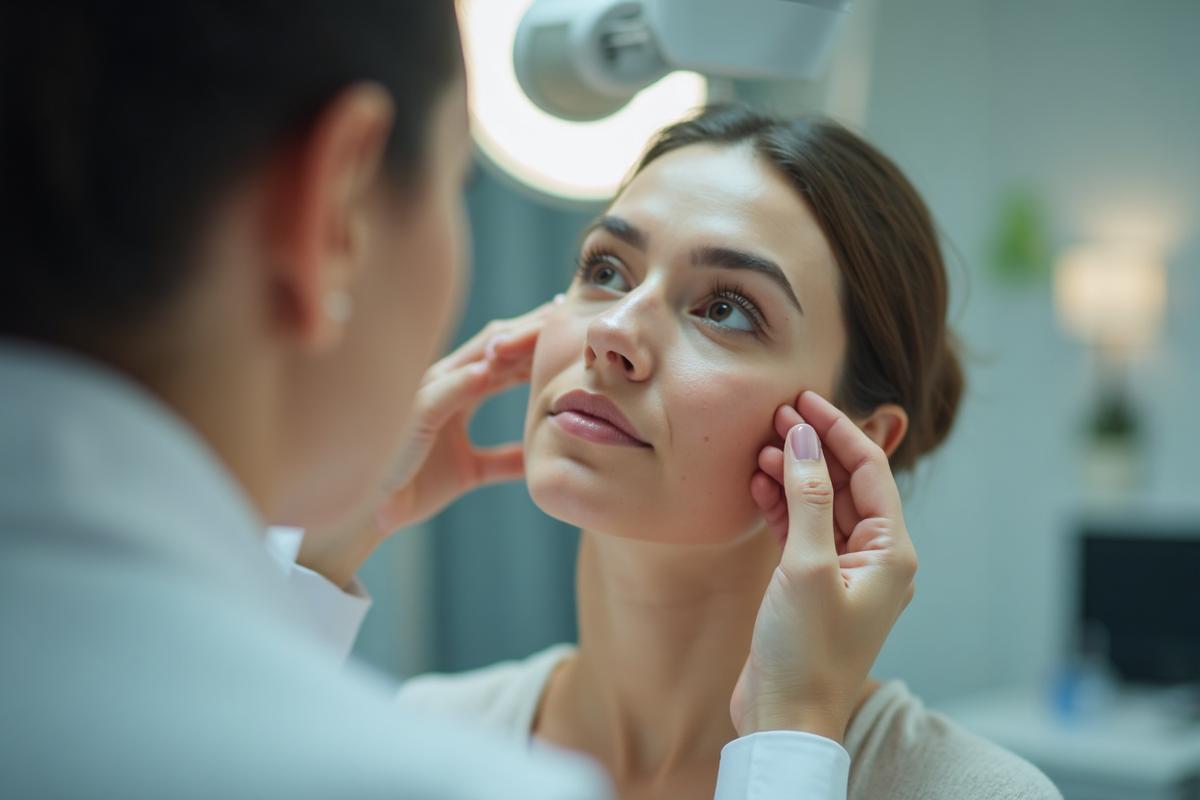
During your initial consultation, our dermatologists conduct a thorough examination of your skin to accurately diagnose your condition. This is important because acne and rosacea can sometimes coexist, and treatments that work for one condition may worsen the other. We take time to understand your complete skin health picture before recommending treatment.
Our comprehensive skin evaluations also include screening for other skin conditions that may be present. While focusing on your acne or rosacea, we can identify any concerning moles or lesions that may warrant further investigation, ensuring your overall skin health is addressed.
For many acne sufferers, the scars left behind can be just as distressing as the acne itself. Microneedling is one of our most effective treatments for acne scarring, stimulating collagen production to fill in depressed scars and improve overall skin texture. This treatment can be combined with PRP (platelet-rich plasma) for enhanced results.
Acne scars come in various forms—ice pick scars, boxcar scars, and rolling scars each require specific treatment approaches. Our dermatologists will evaluate your scarring and recommend the most effective treatment or combination of treatments to improve your skin's appearance.
We offer a comprehensive range of acne and rosacea treatments, from topical medications to advanced procedures. Your treatment plan will be customized based on your specific condition, severity, and goals.
LED light therapy has emerged as an effective, non-invasive treatment for both acne and rosacea. Blue light therapy targets the bacteria that cause acne (P. acnes), while red light therapy reduces inflammation and promotes healing. This treatment is painless, requires no downtime, and can be used in conjunction with other therapies.
Many of our patients incorporate LED light therapy into their regular skincare routine as a maintenance treatment. Sessions are quick—typically 15-20 minutes—and can be scheduled during a lunch break with no visible after-effects.
Platelet-Rich Plasma (PRP) therapy uses your body's own growth factors to promote skin healing and regeneration. When combined with microneedling, PRP can accelerate healing of acne scars and improve overall skin quality. This natural approach is particularly appealing to patients seeking treatments without synthetic chemicals or drugs.
PRP therapy has also shown promise in reducing rosacea symptoms by promoting healthy blood vessel function and reducing inflammation. Our dermatologists can discuss whether PRP might be appropriate for your specific condition.
Managing rosacea requires a multi-faceted approach that includes identifying and avoiding triggers, using gentle skincare products, and following a consistent treatment regimen. Common rosacea triggers include:
Our dermatologists will help you identify your personal triggers and develop strategies to minimize flare-ups while maintaining your quality of life.
Once your acne is under control, many patients wish to address other aesthetic concerns. Our comprehensive dermatology practice offers a full range of cosmetic services, from Botox and fillers to laser treatments and skin rejuvenation. We can develop a long-term plan that addresses both your medical and cosmetic skin needs.
For rosacea patients, certain cosmetic treatments must be approached with caution. Our dermatologists understand which treatments are safe for rosacea-prone skin and can recommend appropriate options to enhance your appearance without triggering flare-ups.
Our laser services extend beyond hair removal to include treatments specifically designed for acne and rosacea. Pulsed dye lasers can reduce the visible blood vessels associated with rosacea, while certain laser treatments can help reduce active acne breakouts and improve post-inflammatory hyperpigmentation.
Laser treatments for rosacea can provide significant improvement in facial redness and visible blood vessels that don't respond to topical treatments alone. Our dermatologists will evaluate your specific situation and recommend whether laser therapy might benefit you.
Proper home skincare is essential for managing both acne and rosacea between dermatology appointments. Our team will recommend appropriate products and routines based on your specific condition. Key principles include:
For Acne: Gentle cleansing twice daily, non-comedogenic products, appropriate use of active ingredients (retinoids, benzoyl peroxide, salicylic acid), and consistent sunscreen use.
For Rosacea: Extremely gentle cleansing, fragrance-free and alcohol-free products, mineral sunscreen, and moisturizers designed for sensitive skin.
We can recommend medical-grade skincare products that complement your prescription treatments and help maintain your results between visits.
In some cases, skin conditions that appear to be acne or rosacea may have other causes. If your condition doesn't respond to typical treatments, or if we observe unusual features, we may recommend a skin biopsy to ensure accurate diagnosis. Conditions such as lupus, seborrheic dermatitis, or perioral dermatitis can sometimes mimic acne or rosacea.
Our commitment to accurate diagnosis ensures you receive the most appropriate and effective treatment for your specific condition. We never take a one-size-fits-all approach to dermatological care.
Adult acne can be caused by hormonal fluctuations, stress, certain medications, diet, and skincare products. Women often experience breakouts related to menstrual cycles, pregnancy, or menopause. Other factors include genetics, comedogenic skincare products, and environmental factors like humidity and pollution.
While both cause facial redness and bumps, rosacea is a chronic inflammatory condition characterized by persistent flushing, visible blood vessels (telangiectasia), and skin sensitivity. Rosacea doesn't cause blackheads or whiteheads like acne, and treatments differ significantly between the two conditions.
Most acne treatments require 6-12 weeks to show significant improvement. Prescription medications work gradually, and it's important to continue treatment even after skin starts to clear to prevent new breakouts. Some treatments like isotretinoin may take 4-6 months for full results.
Yes! We offer several effective treatments for acne scars including microneedling, chemical peels, laser therapy, and dermal fillers. The best approach depends on the type and severity of scarring. Many patients see significant improvement with a series of treatments.
While there is no permanent cure for rosacea, it can be effectively managed with proper treatment and lifestyle modifications. Many patients achieve significant improvement in their symptoms with consistent care. Our goal is to minimize flare-ups and maintain clear, comfortable skin.
Many insurance plans cover medical treatments for acne and rosacea when prescribed by a dermatologist. Coverage varies by plan and specific treatments. Our staff can help verify your benefits before treatment. Cosmetic treatments like certain laser therapies may not be covered.
Don't let acne or rosacea hold you back. Schedule your consultation with our expert dermatologists today.
Call (786) 738-9515